Ludmila Javorová, Secretly Ordained Priest, Dies at 94
The Czech Catholic served the underground Church during decades of communist rule

Ludmila Javorová, a leading figure in Czechoslovakia’s clandestine Catholic Church under communist rule and the only woman whose secret ordination by the underground bishop Felix Maria Davídek became publicly known, has died. She was 94.
She died in the early hours of 17 September 2026 at a hospice in Rajhrad, near Brno.
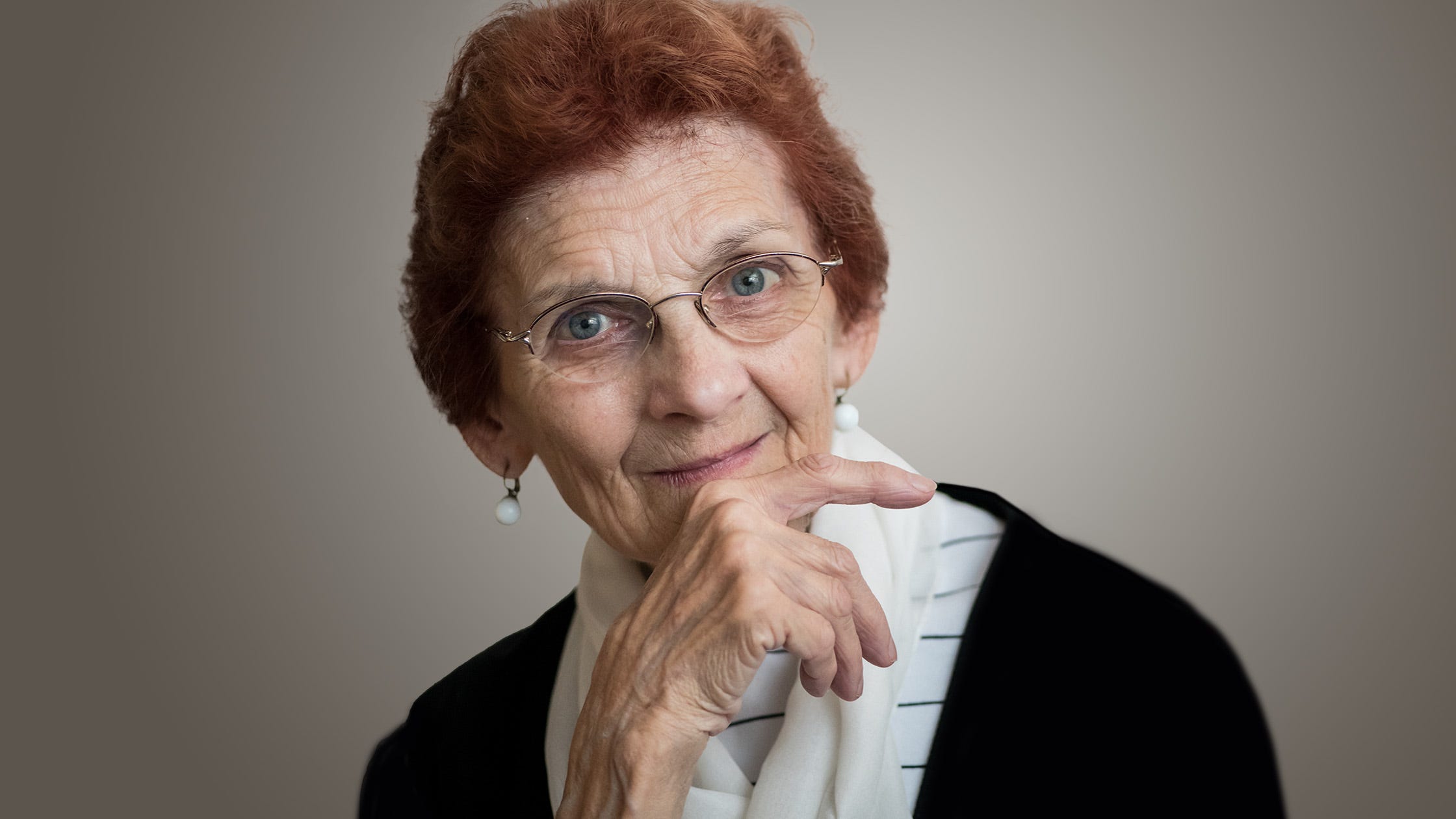
Born on 31 January 1932 in Brno into a devout Catholic family, Javorová spent her childhood in Czechoslovakia before the communist takeover of 1948. She grew up under the new regime, which increasingly restricted the activities of the Catholic Church. As a young woman she wished to enter religious life as a nun, but was unable to do so. She instead took civilian employment while supporting Church activities in her free time.
After the underground bishop Felix Maria Davídek was released in 1964 after 14 years in prison, Javorová, whose family he knew, became his close collaborator. She served as his secretary and gradually took on important responsibilities in organising the clandestine Church structure known as Koinótés. Davídek later appointed her his vicar general.
In the difficult years following the Soviet-led invasion of 1968, the clandestine Church faced severe restrictions. Male priests had limited access to women’s prisons and labour camps, where nuns and other female prisoners were held. Davídek believed that women needed greater access to pastoral and sacramental care within the underground Church.
On the night of 28 December 1970, after a clandestine council had debated the question of women’s ordination and split over it, Davídek ordained Javorová first as a deacon and then as a priest. The ceremony took place at 10pm, using the Roman rite, with Davídek’s brother Leo as a witness.
Davídek’s decision was controversial even within the underground Church. Around five women in total are thought to have been ordained; Javorová remained the only one whose identity became publicly known.
For nearly two decades she exercised her ministry discreetly. Her work included providing pastoral care to members of the underground Catholic community, while she was required to keep the circumstances of her ordination secret. She also continued to play a central organisational role in Koinótés.
Davídek died in 1988, a year before the fall of communist rule. After the Velvet Revolution, Javorová initially remained reluctant to discuss her ordination publicly, saying that ‘the time is not ripe to talk about that’. By the mid-1990s, however, she had begun to speak more openly about her experience.
The Roman Catholic Church does not admit women to the priesthood. In 1996 Javorová was formally informed that her ordination was considered invalid under canon law and that she could not exercise priestly ministry. She did not, however, renounce her belief that the priesthood was her vocation.
She continued to live in Brno, worked as a teacher of religion and remained active in parish and diocesan life. She also took part in public discussions about the role of women in the Church.
Her story was told in interviews and in Miriam Therese Winter’s Out of the Depths: The Story of Ludmila Javorova, Ordained Roman Catholic Priest (2001). The book drew on extensive recorded interviews with Javorová and described her work with Koinótés and her secret ordination.
In 2011 Javorová and Bishop Dušan Špiner accepted the Herbert Haag Foundation’s prize for Freedom in the Church on behalf of the hidden Church of the former Czechoslovakia.
Javorová’s life was shaped by the peculiar circumstances of a Church forced underground: secrecy was a necessity, pastoral care had to find unconventional forms, and the boundaries of Church law were tested by the demands of persecution. Her ordination remained unrecognised by Rome, yet she continued to regard the priesthood as a vocation she had received and could not set aside.
Discussion about this post