

MORAL HYPNOSIS

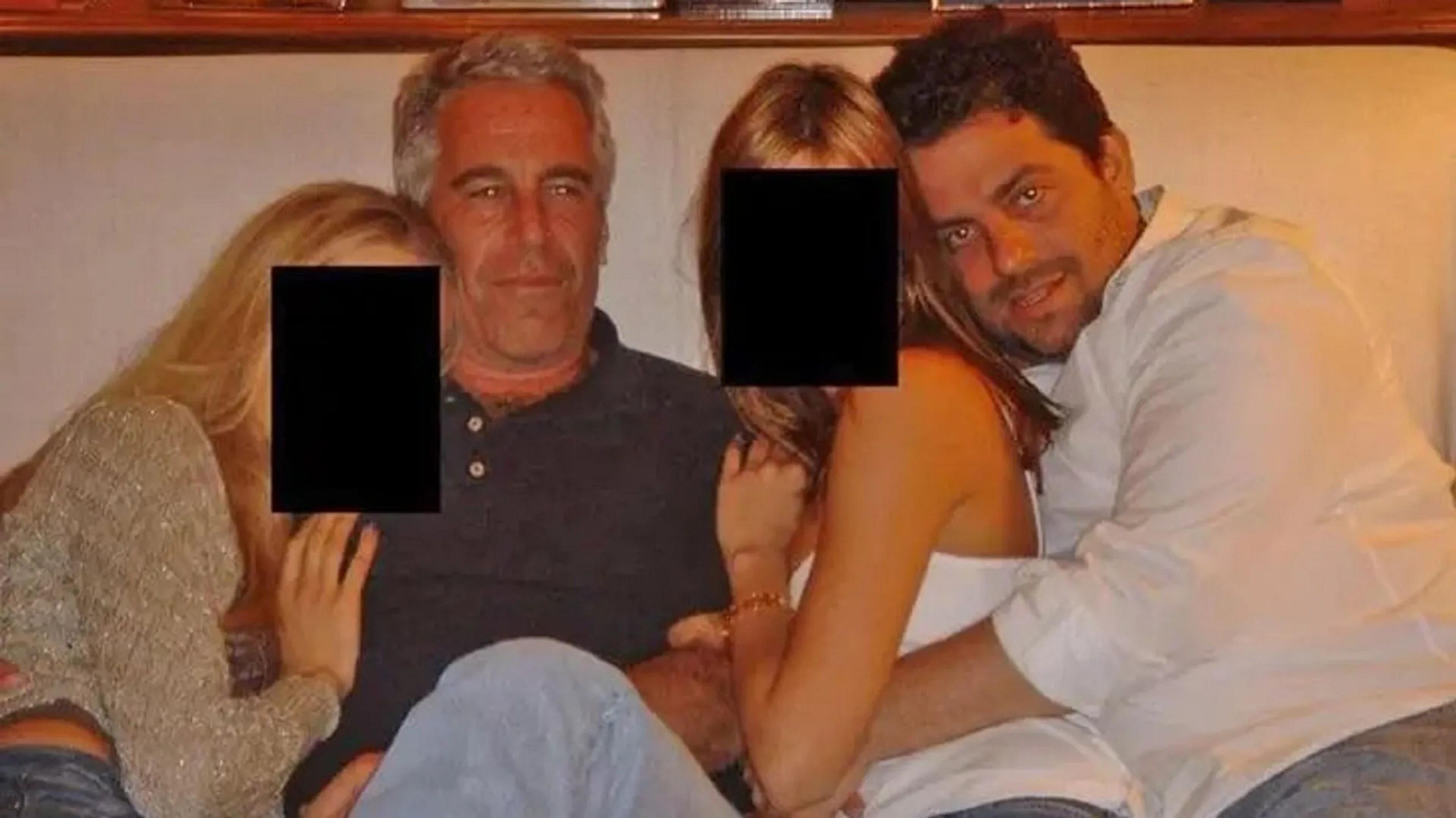
The former Archbishop of Canterbury, Lord Rowan Williams, has recently spoken with striking clarity about the moral dangers revealed in the Epstein saga. His words deserve not only to be quoted, but to be pondered deeply. We share his concerns, for they illuminate not merely one scandal, but the wider malaise of our age.
Lord Williams has asked how we might ‘snap out of the hypnotic trance that allows billionaires to buy people and communities’. He warns that ‘what is most profoundly disturbing about the whole Epstein saga is the moral hypnosis created by extreme wealth. The fascination of power – not full-blooded coercive violence but a kind of lazy emancipation from all routine constraints – draws the eyes away from the dehumanising processes that sustain it and the ease with which persons as much as things come to look like just another luxury accessory to be bought (or simply grabbed) and handed around.’
This is not merely a description of one man’s crimes, but of a collective spell. Wealth and prestige exert a fascination that paralyses conscience, seduces institutions, and normalises compromise. When the files are no longer weaponised for political agendas, Williams hopes ‘we start asking about how we snap out of the hypnotic trance that allows billionaires to buy people and communities – “beasts, and sheep, and horses, and chariots, and slaves, and souls of men” (Revelation 18:13).’ As the prophet Isaiah declared: ‘Woe to those who call evil good and good evil’ (Isaiah 5:20).
The true scandal is not only in the documents, but in the ease with which society colludes in the enchantment. The danger lies in the surrender of conscience: institutions avert their gaze, leaders excuse, communities acquiesce. This is the compromise that sustains systemic sin. It is the hypnosis of wealth persuading us that proximity to power is worth the price of moral clarity.
The discipline of watchfulnes – VIGILIÆ, the very name of this journal – reminds us that Christian vigilance is not passive waiting but active discernment, a refusal to drift into moral slumber. In Latin, vigiliæ refers both to the night watches of soldiers and to the prayer vigils of the faithful. It evokes the call to remain alert together, through darkness, in readiness and prayer.
This hypnosis is reinforced by an education that prizes wealth, fame, and prestige above all else. When young people are taught to pursue popularity and success at any cost, the outcome is predictable: generations trained to compromise, to silence conscience, and to measure human worth by glamour rather than truth. If we educate for ambition without integrity, we will reap corruption without resistance. A culture that worships status inevitably produces disciples of moral surrender.
Let it be clear: this is not a denunciation of wealth as such, but of the corruption and dehumanisation that arise when wealth becomes an idol. Riches can be used for good, but when they purchase silence, compromise, or human souls, they become instruments of darkness. The victims of exploitation are not to be blamed, but defended; the true accusation falls upon the systems and powers that commodify human beings.
The Epstein case is but one manifestation of a wider malaise. The same hypnosis operates wherever wealth shields wrongdoing, wherever institutions barter integrity for influence, wherever communities prefer silence to truth. The Church’s vocation is to break the spell: to expose the compromise, to proclaim the freedom of Christ, and to remind the world that no wealth can purchase the human soul.
In an age of seductive darkness, the task of the Christian is to stay awake. To resist hypnosis is to reclaim conscience, to recover the courage of truth, and to bear witness to the light that no darkness can overcome.